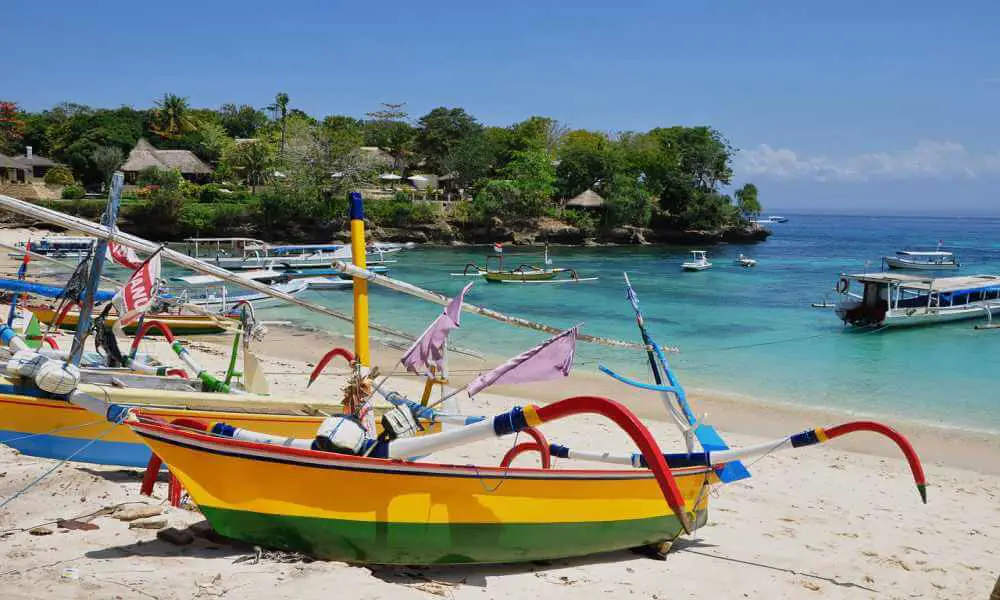
The dry season, from April to September, is the most enjoyable time of the year for outdoor activities, including basking on beaches, hiking, surfing, sailing, diving and canyoning. See during the damp season (November to March) and you'll experience frequent rainstorms, but there's good surf on the east coast and you can still enjoy the outdoors, especially in drier locations in the east and north of the island.
The rainy season is also a fun time to take pleasure in Bali's impressive museums, art galleries, health clubs and markets. Bali usually leaves the tropical storms that are typical of numerous tropical locations, and culture vultures can drop in on an endless stream of festivals, temple celebrations and cultural performances.
Temperatures in Bali do not differ much from season to season, hovering between 28 ° C and 32 ° C( 82 ° F to 90 ° F) year-round, though it's cooler in mountain areas. Whatever you're searching for in Bali, here are the very best times to come.
Solo travel in the spiritual heart of Bali
On the Indonesian island of Bali, Ubud is the ideal location for solo travellers looking for calmness among emerald rice fields and misty mountains.
High Season-- July to August and December-- is the very best time for celebrations and partying
The high season coincides with the traditional summer season trip season in Europe, America and Australia in July and August, and it's the height of the dry season and the peak time for surfing on the west coast. Bali is flooded by travelers, who come to sample the island's many delights and take pleasure in some of its most vibrant celebrations.
Get more take a trip inspiration, ideas and exclusive deals sent out straight to your inbox with our https://www.atoallinks.com/2022/should-i-travel-to-bali-in-december/ weekly newsletter.
Shoulder Season-- April to June and September to October-- is best for adventurous tourists
The shoulder season in Bali falls at either end of the dry season, when the weather condition is either improving after the rains, or getting slowly wetter after the dry months. Things are quieter without the summer holiday crowds, and the weather condition is normally still dry enough for outdoor enjoyable. The two-week Easter spring break can get really busy in traveler areas.
Low Season-- January to March and November-- is finest for spending plan travelers
Bali's low season coincides with the rainiest months of the year, and this can be an unpredictable time for outside activities. The crowds have decamped back home, and the island is returning to a more unwinded ambiance, but there's still decent browse on the east coast and the weather condition is warm. Accommodation rates fall significantly, which is terrific news for budget travelers.
A farmer tends rice paddies near Ubud, Bali
Bali is lush and green in the months following the rainy season © Pete Seaward/ Lonely World
Comprehending the Balinese calendar
The dates for village festivals are not always set in stone either. If you're planning a trip around a festival or occasion, examine the precise dates before you reserve your flights.
January
January in Bali is a good month for laid-back activities and indoor pastimes as the rainy season is at its peak. It's likewise a good time to explore the tourist attractions of the north and east coast, where the rain is more intermittent.
Secret occasions: Balingkang Kintamani Celebration, Chinese New Year (can fall in February).
February.
At the end of January or the start of February, Chinese New Year events feature amazing dances and parades with common Balinese components such as barong (dancers impersonated lion-dogs) and Balinese percussion bands. Bali has lots of first-rate museums and art galleries to explore, so if those February downpours put a dampener on outside expeditions, simply head to Ubud where the Arma and Neka museums and varied art galleries will keep you entertained for hours.
Key events: Chinese Brand-new Year (if not in January), Balingkang Kintamani Festival.
March.
Bali's rains start to lay off in March, declaring brighter weather. In preparation for Nyepi, the Balinese New Year, lots of vibrant melasti processions happen all over the island, as each village undertakes the ritual cleansing of their temple icons at the nearest beach or holy water source. Bali practically completely closes down, and no one is permitted on the streets.
Key occasions: Ogoh-Ogoh parades, Nyepi, Omed-Omedan Kissing Routine.
April.
April marks the beginning of the dry season. Easter school breaks bring numerous tourists to Bali for fun and relaxation, and popular traveler areas are thronged, however the rest of the month is quieter than the summer peak.
Key occasions: Bali Spirit Celebration, Ubud Food Celebration.
A surfer riding a barrel wave off Bali.
You can surf in Bali year-round if you select the right coast © Fantastic Nature/ Shutterstock.
May.
After Easter, things quieten down again, and May is a great time for outdoor activities. The surfing season is in full speed on the west and south coasts, and rafting, travelling and spelunking beckon to experience sports fans.
Secret occasions: Buleleng Art Festival.
June.
The dry season is well in progress, and moderate trade winds ensure average temperatures of 28 ° C to 32 ° C( 82 ° F to 90 ° F). June is an ideal time for beach visits and outside fun. Mid-June sees the start of the month-long Bali Arts Festival (PKB), a vibrant hodgepodge of Balinese art kinds including dance, music, drama and pictorial arts. Similarly mesmerizing is the celebration in Tenganan town, marked by elegant Rejang dances and coming-of-age rituals.
Secret occasions: Bali Arts Celebration, Tenganan Pegringsingan Celebration.
July.
By July, the traveler high season in Bali is in full speed. Bali's popular kite festivals, which include massive kites with huge wingspans and competing village kite troupes, continue through till August and sometimes into September. Celebrations are held all along the east and west coasts, however the most well-known kite celebration is at Padanggalak Beach, north of Sanur.
Secret occasions: Bali kite festivals.
August.
August is the height of the traveler season, and popular locations such as Kuta, Seminyak, Sanur and Ubud are crowded. If you're looking for a more laid-back experience, head for the east or north coasts where the ambiance is distinctly less frantic. Indonesia commemorates its independence from colonial powers on August 17 with lots of pomp and fanfare. Expect amusing parades and street parties in the larger towns, particularly Denpasar.
Key events: Sanur Village Festival, Independence Day, Bali Marathon.
A huge kite is introduced throughout among Bali's kite celebrations.
Bali's kite celebrations fill the skies with movement and color © Tropical studio/ Shutterstock.
September.
September is the month to see a calmer side to Bali, without the crazy tourist crush of the high season. The weather is still stunning, although periodic rain showers indicate that the rainy season is approaching.
Secret occasions: Bali Blues Festival, Soundrenaline Music Celebration, Lovina Festival.
October.
The rainy season shows up in October, so plan your schedule accordingly. Have a backup plan ready for trips to beaches and other outdoor activities that might be impacted by the weather.
Key events: Nusa Dua Carnival, Ubud Village Jazz Celebration, Ubud Writers and Readers Festival, Bali International Triathlon.
November.
If November rains prevent your beach plans, check out indoor occasions like Bali's first-rate worldwide movie celebration, that includes global releases in a wide variety of cinematic categories.
Secret events: Balinale.
December.
December marks the beginning of the vacation celebration season, and lots of hotels, dining establishments and other places organize special suppers and home entertainment to mark the festive season. New Year's Eve is particularly unforgettable, with incredible fireworks at midnight to assist you rock in the brand-new year in style.
Key events: Pemuteran Bay Celebration, Penglipuran Town Celebration, New Year's Eve celebrations.